How to collect a stool sample that won't waste your test
Your stool sample test is only as good as the sample. Timing, contamination and transport decide if calprotectin, elastase and sIgA are readable.
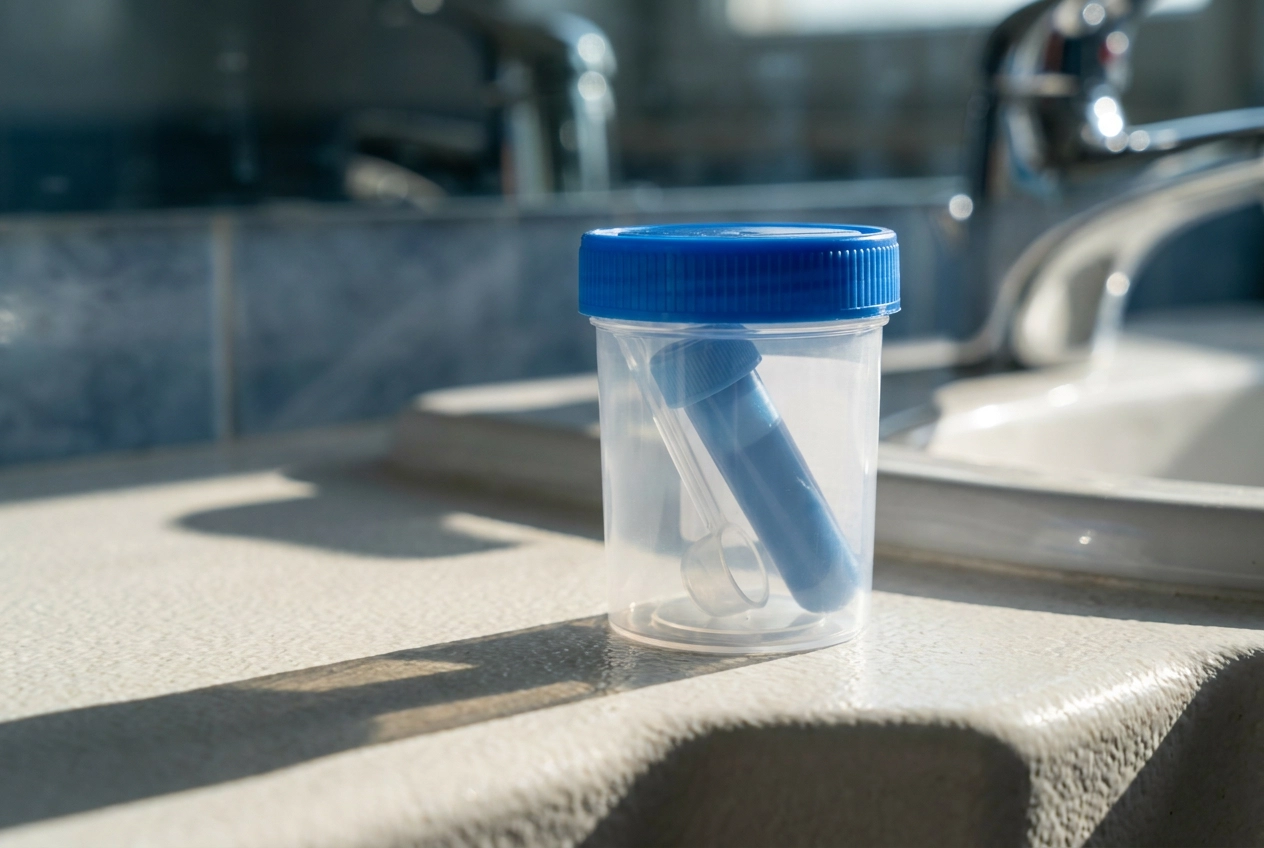
You get the results back. Everything looks normal. Your calprotectin is fine, your secretory IgA is in range, and the report says there is nothing to flag. So why do you still feel awful? I see this in practice more often than you would think, and the answer almost always sits upstream of the lab, in the stool sample test itself. A result is only as good as the sample that produced it. A sloppy collection window, a delay in transport, or a sample taken while you are still on a probiotic or antibiotic can quietly corrupt the readout and hand you a falsely reassuring report. In this post, I walk through the pre-analytical details that decide whether your markers, from sIgA and calprotectin to elastase and commensal growth, are readable at all. You will learn what to confirm with your lab before collection day, how to time the sample correctly, how to collect without contaminating it, and how to store and transport it so nothing degrades while it waits.
Why a normal stool sample test result does not always mean normal
Most conversations about a stool sample test start at the report. They should start three days earlier, at collection, because the result is already being decided there.
From collection through the lab's assay to interpretation, error can enter at any step. The collection and handling phase is the one you control, and the one nobody explains to you.
A diluted, delayed or contaminated sample can return a result the lab never flags as problematic. Secretory IgA, calprotectin, elastase and commensal growth each fail differently. One marker can read falsely low while another reads falsely high in the same container.
If your results keep coming back normal while your symptoms do not, audit the sample before you hunt for a new diagnosis. This is why I read the GI-MAP test alongside the OAT, DUTCH and HTMA instead of treating one report as a verdict.
Before collection day: what to confirm with your lab
Your last normal result may have been a sampling artifact. You can control part of that. It starts with the lab itself.
Ask what the test measures
A culture or sequencing panel of commensal organisms, a single-marker assay like calprotectin, and a parasite PCR panel have different handling needs. The answer decides everything downstream.
Do this before collection day
Read the written instructions the day the kit arrives. Not the morning you use it. Kits differ in devices, preservatives and fill lines, and those details are part of how the lab reads the sample.
Confirm home collection and delivery. Does the lab accept a home-collected sample? What delivery window and packaging does it require? Cold pack or specific transport medium? Get it in writing.
Check medication and supplement rules in writing. A reception desk saying it should be fine is not a collection instruction.
Note what you are taking on the requisition. Current antibiotics, probiotics, antacids and digestive supplements. Whoever reads the result needs that context. If you are already planning a pregnancy protocol, the same preparation logic applies to what gut health tools can and can't do before pregnancy.
Confirm all of this, then timing becomes a decision rather than a guess.
Timing: collecting in the right window
Once the kit and the lab's rules are clear, choose the day. Collect during a typical week for you, not your best and not your worst. This is practical rather than lab-published guidance: no single source specifies it, but a flare sample and a calm sample answer different questions, so match the sample to what you need read.
Time collection for a morning when the sample can reach the lab or courier quickly. A Sunday evening with a full day of waiting ahead is not neutral. Some labs specify same-day return to maintain integrity, so confirm their window and meet it.
Collect from the full stool, including any watery or mucus-containing portions.
Antibiotics and probiotics: the washout question
Timing gets you a sample that reflects your baseline week. Medication timing decides whether that week is yours at all.
If oral probiotics are still passing through at collection, their strains may appear in the panel alongside your own. Ask your lab whether a washout interval applies.
Antibiotics shift the whole community, not just the target organism. A sample collected close to a course captures a disrupted snapshot that says nothing about your baseline.
No authoritative washout figure is published for home functional panels. Confirm the interval directly with your lab instead of using a figure from a forum. That question matters more once you understand what each functional digestive test actually changes.
Do not stop a prescribed antibiotic to make a test easier. Collection waits for the course to finish and for your prescribing clinician to clear it.
Write the dates down anyway. If a result later looks strange, knowing exactly how many days separated your last dose from collection is what makes a re-read possible.
Sample from the middle, and track where you are in your cycle
Once the washout dates are settled, collection itself decides what the lab can read. Take several scoops from across the stool and include any visible mucus or watery portions. Substances such as antacids, antidiarrhoeals and oily laxatives are known to interfere; ask your lab for its full stopping rules, including any guidance on digestive supplements. If you track your cycle, note the phase; this context may help your practitioner read the result. Record the collection date and time, and note any notable changes in your bowel pattern in the days before. That context lets the report be read against your physiology, not one isolated moment, the same sequencing logic behind what terrain restoration actually looks like.
Collecting the sample without contaminating it
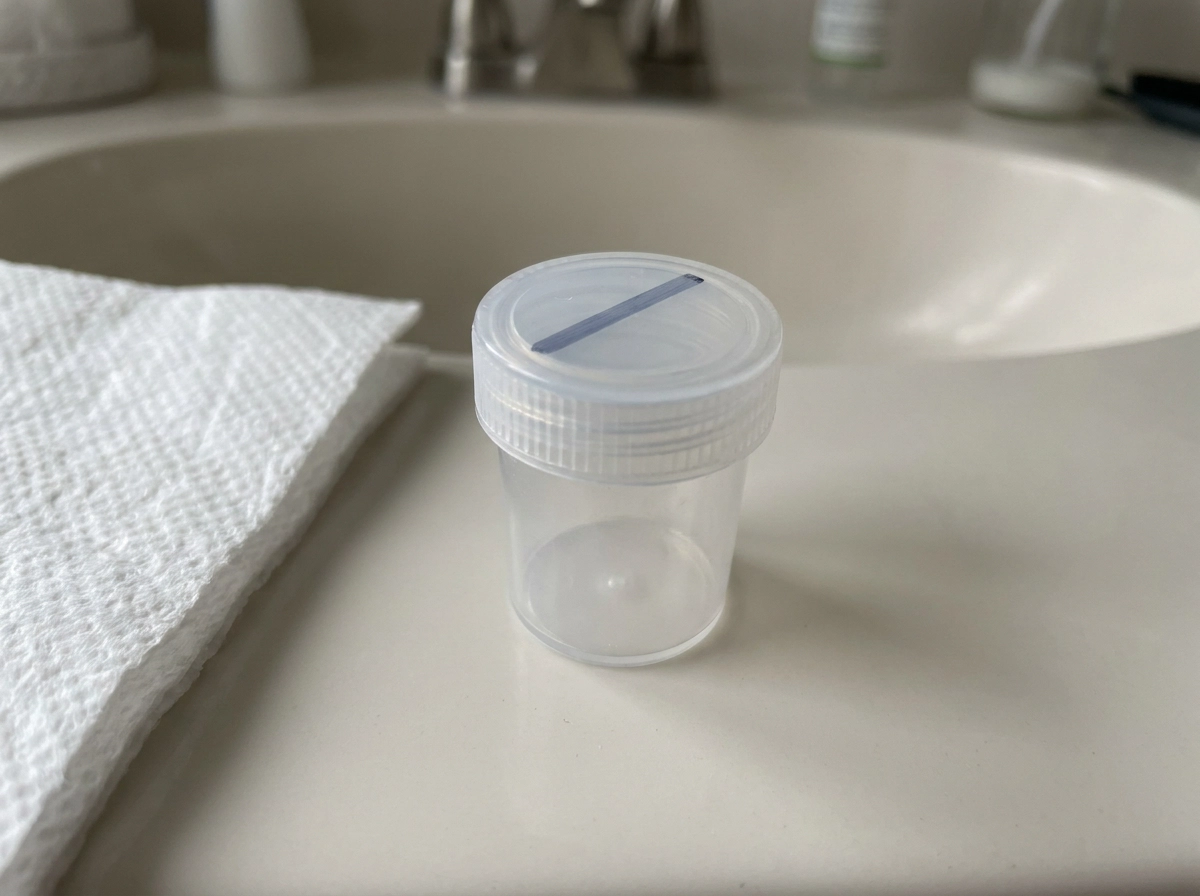
Once you have taken material from across the stool, the next risk is what else gets into the container. Urine contamination makes the sample invalid. Pass urine first, then collect into a clean, dry container or a collection hat placed in the bowl. Never scoop from toilet water. Keep the sample away from toilet water, disinfectant and detergent residue. A clean hat beats improvisation every time.
Use the kit's own device and respect its fill line. More sample is not better. An overfilled pot leaks, sits warm and arrives late. Add nothing: no water, no saline, no oils, no small amounts of anything.
Seal it, then label with your name, date and collection time; the lab needs all three identifiers. Store or ship it exactly as the lab instructs.
Transport and storage: what degrades while the sample waits
Sealing the container is step one, not the finish line. Unpreserved stool is time-sensitive from the moment of collection. Follow the lab's stated window.
Temperature control matters. Follow the lab's storage temperature instruction from the moment you seal the container.
Follow the lab's stated storage and delivery window precisely. If you cannot meet it, ask before you collect rather than after. A lab that knows your constraints can tell you whether a cold pack or a different collection day solves the problem.
If the lab specifies a cold pack or transport medium, that instruction exists for the specific method they use. Follow it as written.
Use the courier and packaging the lab provides when shipping. A domestic postal delay can quietly exceed the stability window the lab built its method around. The box is part of the assay.
The mistakes that waste a stool test
Transport is only half of it. The pre-analytical errors that waste stool tests cluster around timing and context, and they all produce the same outcome: a report that reads normal because the sample was never yours to begin with.
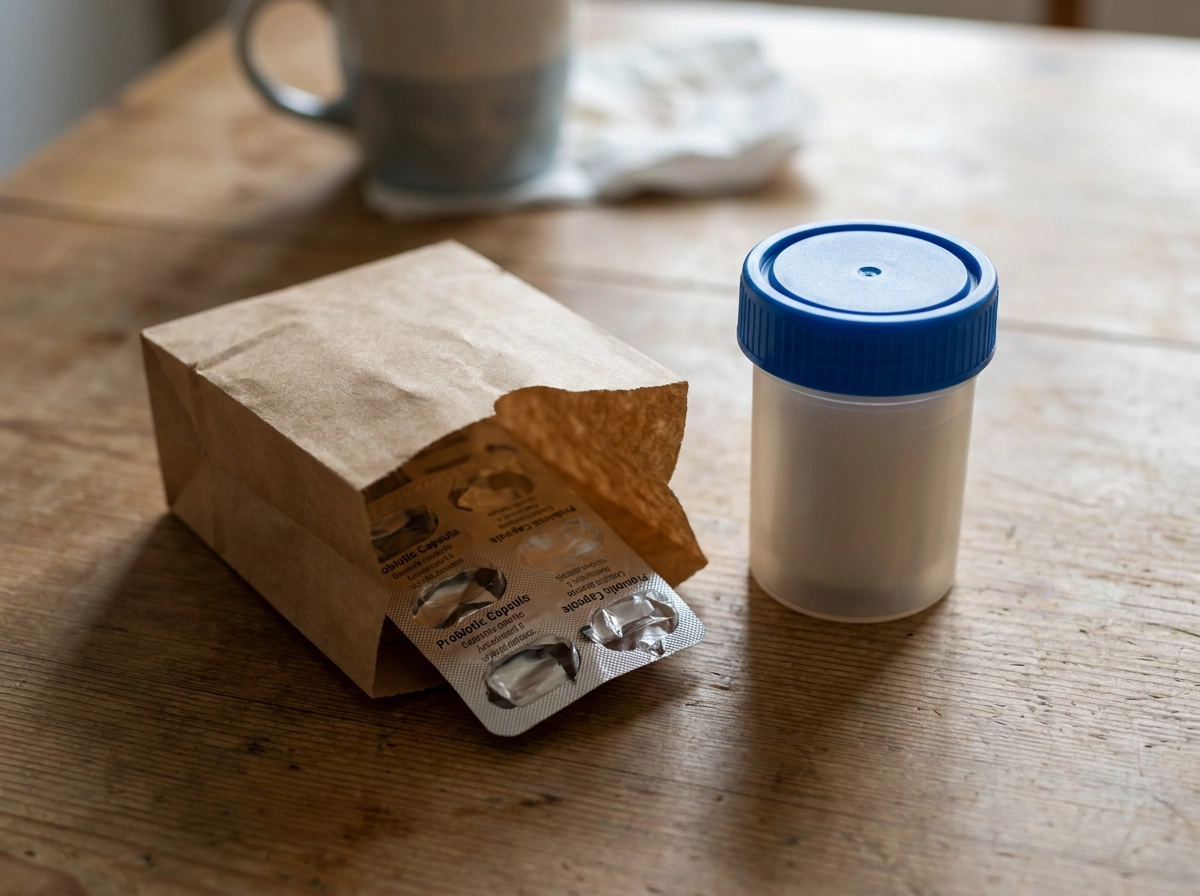
Probiotics still in transit. As covered above, ask your lab for its specified washout interval.
Antibiotics too close to collection. As covered above, wait for the course to finish, log the dates, and do not stop a prescribed course to test.
Contamination. As covered above, collect into a clean hat or the kit's own device and keep urine, toilet water and detergent residue out.
Temperature drift. Stability at room temperature varies by marker and by how the sample was preserved. Follow the lab's instructions rather than assuming a few hours are fine.
Skipped rules. An incomplete requisition corrupts the read. Confirm what your panel can actually show before you collect.
How each marker fails: sIgA, calprotectin, elastase and commensal growth
The mistakes above play out differently depending on what the lab is measuring.
Secretory IgA is a mucosal antibody. Its reading can be affected by how the sample was handled. A urine-contaminated or heavily diluted sample may not reflect your actual mucosal immune status.
Research suggests calprotectin stability may be affected by temperature and time, though exact thresholds depend on the assay used. A low value from a poor sample cannot be read as no inflammation.
Fecal elastase is an enzyme read speaking to pancreatic output. A fecal elastase result that is low may indicate exocrine pancreatic insufficiency, but confirm with your lab that the sample was handled within the assay's stability window.
Commensal growth is particularly sensitive to handling conditions. Ask your lab about the transport requirements for culture or sequencing components of your panel.
That is why I read the GI-MAP alongside the OAT, DUTCH and HTMA, instead of letting one degraded marker drive a six month protocol.
What a stool exam can and cannot tell you
A stool test captures what is present in the lumen at the moment of collection. It is one layer of information, not a full picture of gut function. A normal result does not mean nothing is wrong; it means this assay, on this sample, did not detect what it looks for. Being told your gut is fine while nothing changes often means the investigation never reached the right layer, the core argument in IBS Is Not a Diagnosis: What's Actually Causing Your Chronic Gut Symptoms.
Some findings are not functional markers. Blood in stool, unexplained weight loss, and anaemia are reasons to see a physician, not run another functional panel.
Results matter when read against symptom timing, medication history, cycle phase and other labs. Retest when something changed: a completed antibiotic course, a new protocol phase or a real shift in digestion. Repeating an unchanged picture mostly buys anxiety.
Educational information, not medical advice. A free Root Cause Assessment at myrootcause.satorihealth.co is where I start, and a Root Cause Audit call reviews what your last panel could and could not have shown.
What to do before your next stool sample test
Before your next stool sample test, control the three things the lab cannot do for you.
Get the lab's written washout, collection and transport instructions before collection day, note dates of recent antibiotics, probiotics and digestive supplements, collect from the full stool into a clean container, label with your name, date and time, and meet the storage and delivery window your lab specifies.
If your symptoms have never matched your normal results, audit the pre-analytical layer before you question the diagnosis. For anyone choosing a gut health program before pregnancy, this same audit comes first. A free Root Cause Assessment at myrootcause.satorihealth.co is where I start. A Root Cause Audit call is where we look at what your last panel could and could not have shown. This is educational information, not medical advice.
Conclusion
The pre-analytical layer is where most stool tests are won or lost. The lab can only report on what arrives at its door. What happens before that, the washout timing, the collection window, the clean catch from the middle, the transport that beats degradation, is on you.
When symptoms and results have never matched, audit the process before you question the diagnosis.
Control what the lab cannot. Your next sample can tell a different story.